Beyond Screening: A Current Challenge in Breast Cancer Awareness
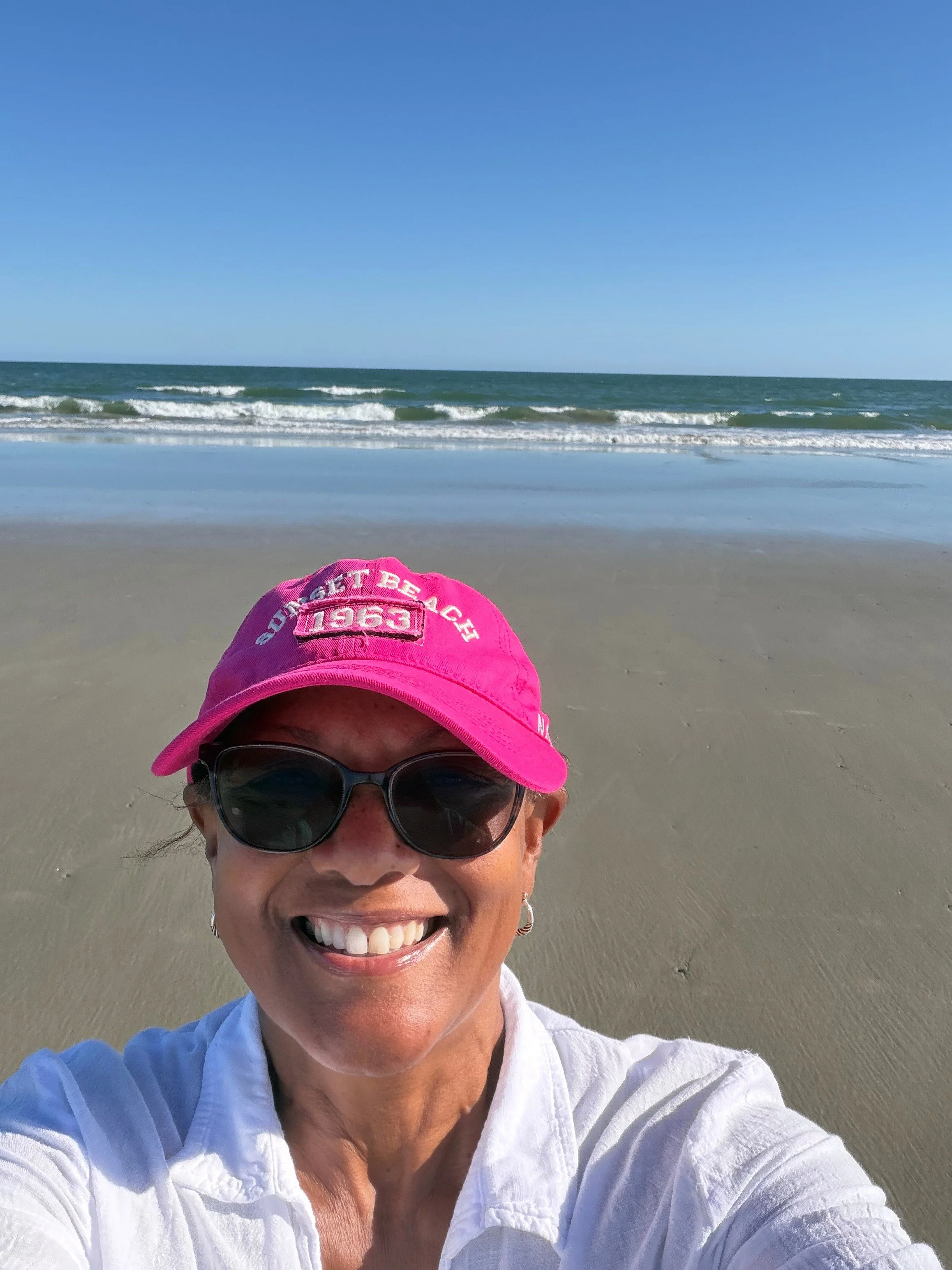
Every October, we turn every shade of pink.
We walk. We run. We fund raise. We support research. We advocate. We create awareness to remind women that early detection matters.
It has certainly made a difference.
As I mark this Breast Cancer Awareness Month with more than 25 years after my own diagnosis and following the release of my new book, The Year I Wore Pink: 25+ Years Beyond Breast Cancer, I find myself thinking about another part of the conversation.
What happens when screening leads to a diagnostic procedure? How do we take control of what comes next?
When my doctor suspected breast cancer more than 25 years ago, things moved quickly. I saw a radiologist and had a needle biopsy that same day. Looking back, I recognize how remarkable that was.
Today, technology has advanced tremendously. But moving efficiently from an abnormal finding through diagnostic imaging, biopsy, and pathology when necessary, and ultimately to a treatment plan requires something technology alone cannot provide. It requires people.
A recent Society of Breast Imaging survey found significant staffing shortages across breast-imaging practices. Among practices reporting insufficient radiologists, nearly 76% reported delayed diagnostic imaging and almost 69% reported delayed procedures.
In my opinion, Breast Cancer Awareness Month should challenge us to think beyond screening.
For women, that means taking control of what comes next. Ask when you will receive results. If additional imaging is recommended, schedule it. If you are unable to get an appointment within a reasonable time, do not hesitate to advocate for yourself and push to be seen. Understand the next step and expected timeline. Follow up. Ask questions. Be persistent. The objective is not to panic; it is to move efficiently and effectively through the diagnostic process so that, if necessary, a treatment plan can begin.
Patients cannot solve a workforce shortage.
Hospitals, radiology centers, healthcare systems, educators, and government have an opportunity to build a stronger pipeline. Why not introduce students to careers in radiology and diagnostic imaging while they are in middle school or at the very least high school? Create partnerships with community colleges and technical schools. Offer internships, job shadowing, scholarships and apprenticeships. Bring healthcare careers to school career fairs. Develop pathways for adults seeking second careers.
Government can be part of that solution through scholarships, grants, loan assistance and incentives that make training for high-demand healthcare careers more accessible.
All the participants in breast cancer awareness have done an extraordinary job educating women on the importance of early detection.
The question now is: How do we build the healthcare workforce and systems needed to help patients move efficiently from detection to diagnosis and, if necessary, treatment?
I do not pretend to have all the answers. But perhaps this Breast Cancer Awareness Month, it is a conversation worth starting.
Because early detection matters. So does what happens next. I know.
WAYS TO WORK WITH JARVIS CONSULTANTS!
Strategies: We help small to mid-size companies develop business, marketing, and event management strategies.
Business Coaching: We coach Founders of small to medium size businesses who want to take their organization to the next level.
Project Management: We support companies that don’t have the personnel resources internally; we help them create projects from the development stages to implementation; and a tactical management process.
New Business Development: We help clients research and explore new business opportunities and/or emerging trends that can be optimized and generate incremental revenue including content.